
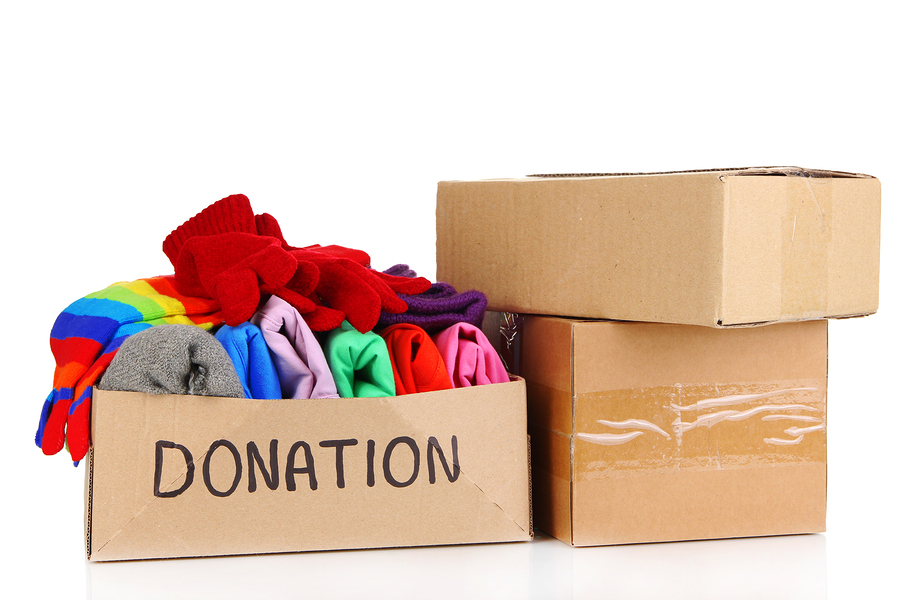
When you start to get organized, decluttering is one of the most important steps in the process. As a home organizer, I often help clients sort through items they no longer need and decide what should stay and what should go. Once you’ve created your donation pile, the next question becomes what should you actually donate?
I’m a big fan of donating. I don’t usually recommend selling items unless it truly makes sense, because it often slows down the organizing process. Donating is quicker, helps others and keeps usable items out of landfills. It also creates peace of mind, knowing your belongings may benefit someone else. Many of my clients across Denver and the surrounding communities choose this route when we declutter their homes.
That said, not everything belongs in a donation pile. Each donation center has its own guidelines and dropping off items they can’t accept creates extra work for volunteers and staff. Before loading up your car, it’s always a good idea to check with your local organization. While requirements vary, there are several items most donation centers typically do not accept.
Household chemicals, hazardous waste and paint should never be donated. These items require proper disposal through local waste programs. Mattresses, box springs and pillows are also usually declined due to sanitation concerns. Broken or stained furniture is another common item donation centers cannot use, and the same goes for appliances that no longer work.
Older televisions and electronics are often not accepted because technology changes quickly and some components are considered hazardous. Building supplies like lumber may also be declined, although some specialty organizations may accept them. Safety-related items such as cribs and child car seats are typically not accepted due to changing regulations and safety standards.
Clothing and linens with stains, rips or holes should also be avoided. Donation centers aim to provide usable items so anything damaged or heavily worn is usually not appropriate. The same goes for games or puzzles with missing pieces, items with pet damage or anything that is broken. Even hangers are often declined because many centers already have more than they can use.
When you’re decluttering, a helpful rule is to ask yourself whether you would give the item to a friend. If not, it’s probably not suitable for donation. Taking a few extra minutes to sort thoughtfully helps keep donation centers running smoothly and ensures your items truly help someone else.
If you’re ready to declutter and create calm in your home, you don’t have to tackle it alone. As a professional home organizer, I help clients create a place for everything while simplifying the process of sorting, donating and organizing. Contact Denver Professional Organizer | SOS Smart Organizing Solutions to get started. I’d love to help you create calm and order in your space.